

If you are searching for apartments near University of South Florida with open parking, the practical answer is that The Brady at Tampa Palms is one nearby option that states it offers open parking for residents. For many USF renters, that matters because campus life often mixes class time, work shifts, clinicals, gym visits, and off-campus errands, so a community without assigned-space logistics can make daily driving simpler.
The bigger question is not just whether parking exists, but whether an apartment’s parking setup fits the way you actually use your car in relation to USF. Before you lease anywhere, it is worth confirming how resident parking works at the community, how guest parking is handled, and how your drive to the university changes at the times you would actually travel.
What “open parking” usually means for a USF-area renter
In apartment searching, open parking generally means residents park in available spaces rather than in a reserved spot tied to one unit. That can be appealing if your schedule changes often, if more than one driver in the household comes and goes at different times, or if you simply do not want the added step of managing a specific assigned space every day.
At a school as large as the University of South Florida, a lot of renters are balancing more than a basic morning commute. You may be driving to the main Tampa campus for classes, labs, research, athletics, campus events, or work at USF Health-related destinations in the broader area. In that context, simple resident parking at home can be a meaningful quality-of-life factor, especially when your return times vary from day to day.
Open parking is also worth evaluating with realistic expectations. It does not automatically tell you how many spaces are available at peak hours, whether parking rules are enforced in a particular way, or whether visitors have separate requirements. Those are the details that affect day-to-day convenience, so ask the leasing office how parking is managed for residents, additional vehicles, and overnight guests.
If your household has two drivers, or if you expect frequent visitors from USF, parking questions become even more important. A clear conversation before leasing can help you understand whether open parking will feel flexible in practice, or whether you need more structure. The most useful questions are specific ones: whether permits are required, whether towing rules apply, whether there are vehicle registration steps, and whether guest parking is limited at certain times.
How to judge whether The Brady at Tampa Palms works for your USF routine
The Brady at Tampa Palms is in the Tampa Palms area, and the community itself notes that it is minutes away from the University of South Florida. That establishes the basic fit for renters who want to live in the USF orbit without needing housing immediately on campus. Even so, “near” can feel very different depending on whether you are driving to a morning lecture, an evening event, or a job on or near campus.
The best way to evaluate the location is to test your real route, not an idealized one. Map the drive from 5100 Live Oaks Boulevard to the exact USF destination you use most, such as a classroom building, parking garage, office, lab, or campus venue. Then compare weekday morning, midafternoon, and evening conditions, because university-area traffic patterns can vary substantially by time of day and by what is happening on campus.
Road access matters here as much as raw distance. The community advertises easy access to major highways, which can help if your USF routine is only one part of a broader Tampa schedule that also includes work, internships, family responsibilities, or trips elsewhere in the metro. For renters who do more than a simple campus commute, that kind of road access can be as important as living close to the university itself.
It is also useful to think about what happens after you get home. If you are driving back from USF late, after a long day on campus, having resident open parking may feel easier than returning to a community with a more rigid parking arrangement. That does not eliminate the need to confirm the parking rules, but it does explain why this feature can matter more for students, staff, and university-adjacent renters than it might in another setting.
Other details that can matter if you drive to campus regularly
Parking at home is only one side of the USF decision. You should also verify how you plan to park once you reach the university, because campus parking policies, permit options, and lot access can shape your overall routine just as much as your apartment setup. The University of South Florida provides transportation and parking information online, and that is the best place to check current permit categories, visitor rules, and any campus-specific restrictions.
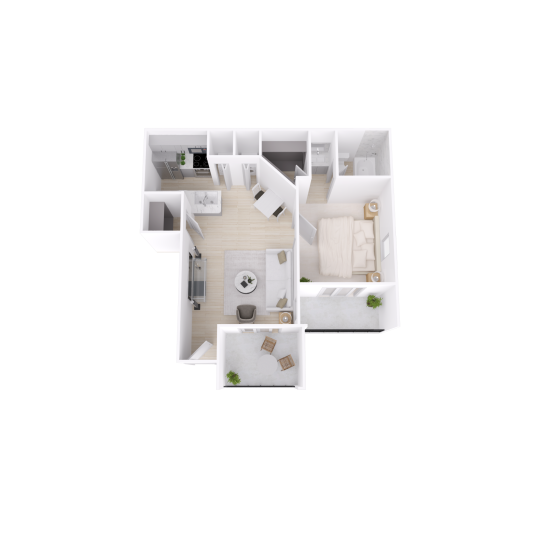
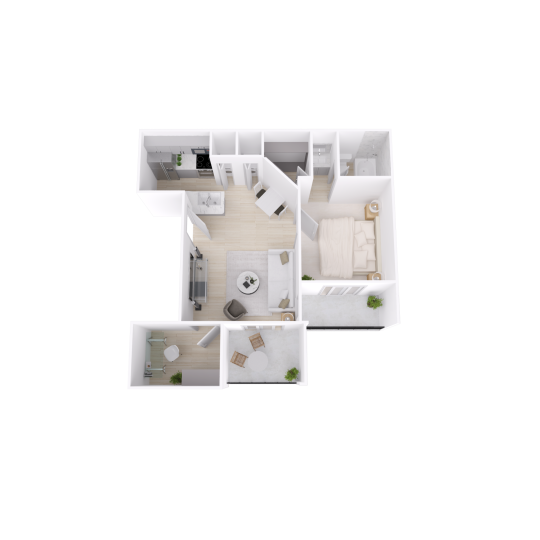
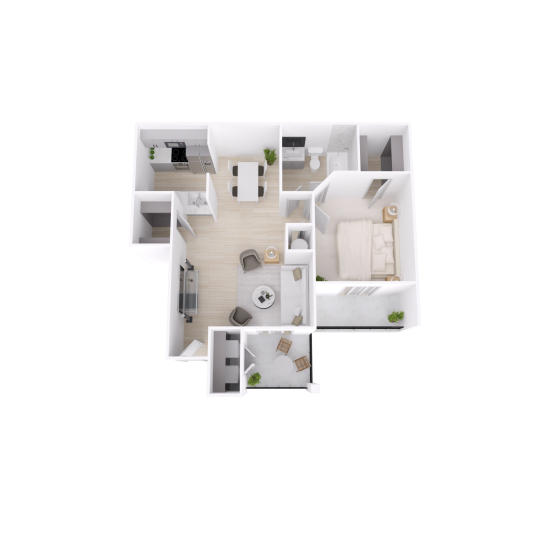
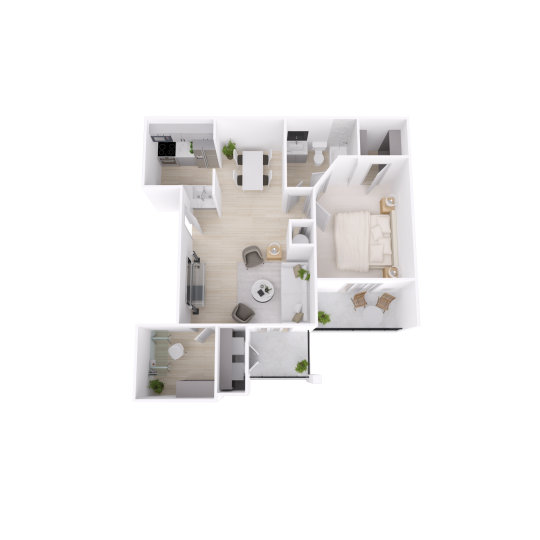
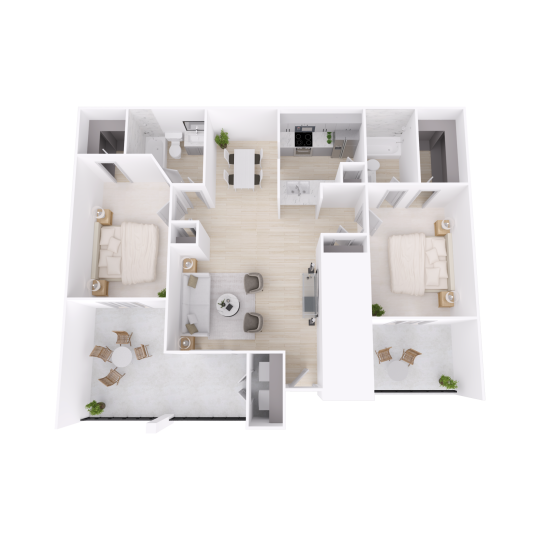
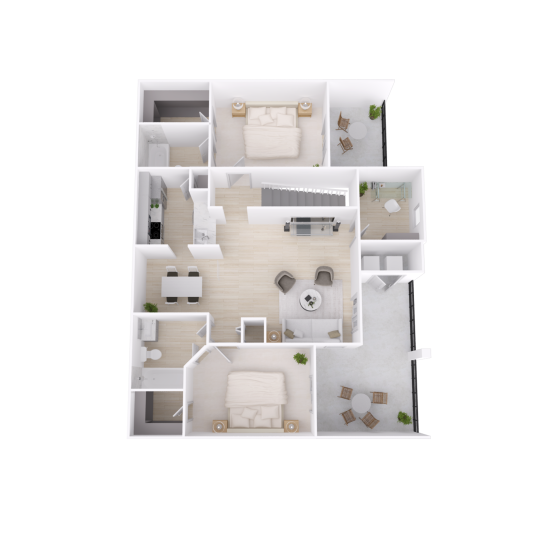
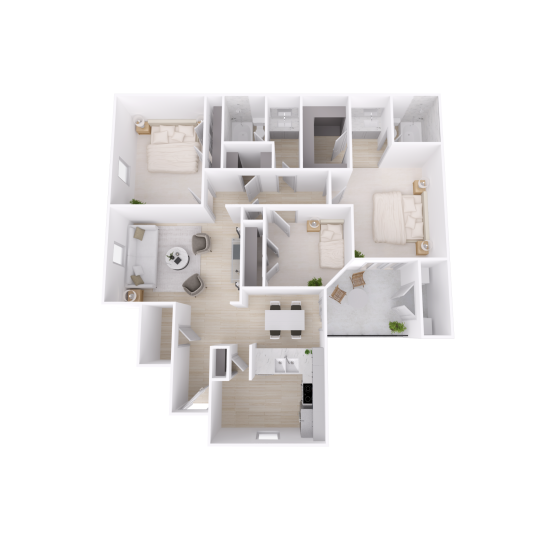
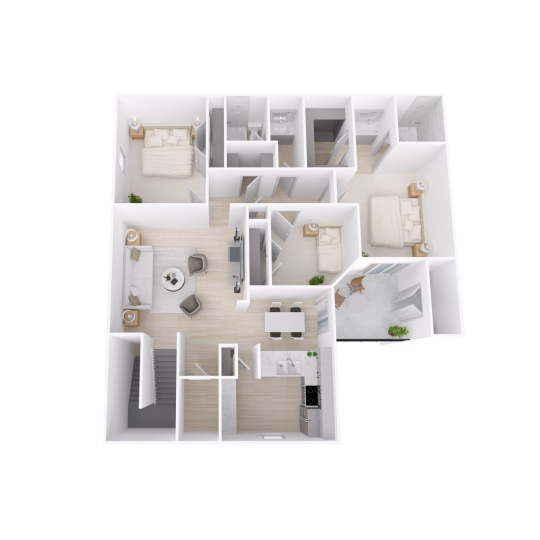
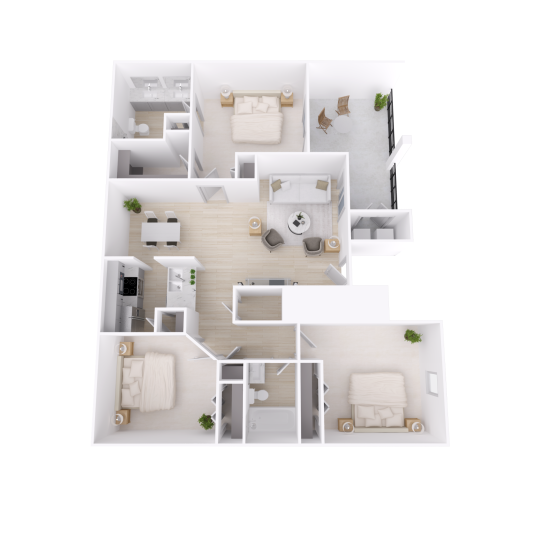
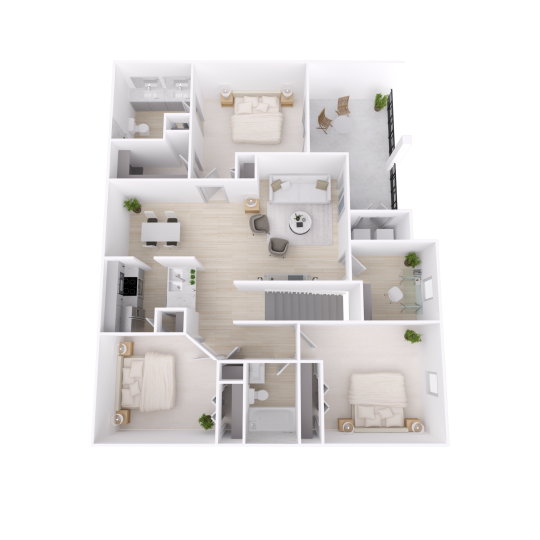
Your apartment layout can matter indirectly if your home doubles as a study and storage base between campus days. The Brady at Tampa Palms offers one-, two-, and three-bedroom floor plans, and some layouts include a study. If you want separate work space for coursework, remote research, or hybrid work, it makes sense to ask which floor plans currently offer that setup and whether the specific home you are considering includes it.
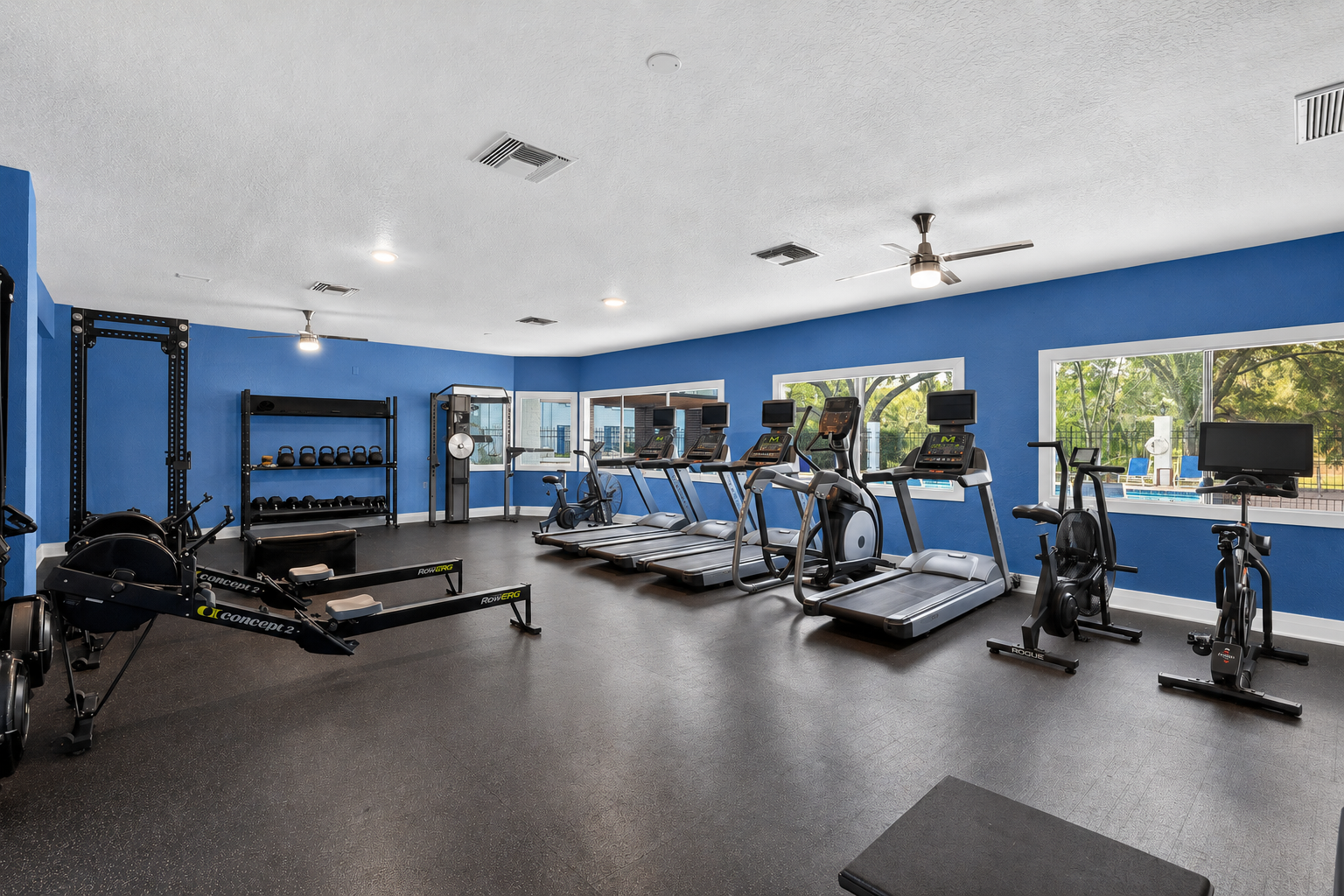
For renters who plan to stay active without adding another drive after class, the on-site 24/7 fitness center may also be relevant. It will not replace campus amenities for everyone, but it can reduce extra trips on days when you are already driving back and forth to USF. In the same way, in-home washer options and screened patios or balconies in select homes may help if you want more day-to-day functionality at home rather than relying on campus spaces for everything.
There are a few honest trade-offs to keep in mind. Open parking can be simpler than reserved parking, but the only reliable way to know whether it matches your needs is to verify the rules and observe the community at the times you would actually come home. If USF is central to your routine, a smart next step is to contact The Brady at Tampa Palms and ask specifically about resident and guest parking, then pair that with a test drive from the community to your actual destination on campus.